Unlocking the Benefits and Potential Uses of BPC157


Imagine a world where healing from injuries is not a prolonged journey but a swift and effective process. In recent years, the peptide BPC-157 has emerged as a potential game-changer in the realm of recovery and regeneration. Derived from a protein found in human gastric juice, this powerful compound has caught the attention of scientists and health enthusiasts alike for its remarkable ability to accelerate the healing of wounds, tendons, muscles, and even bones. But what exactly makes BPC-157 so significant, and how can it be harnessed to its full potential?
Delving deeper into the myriad benefits of BPC-157, we uncover its impressive anti-inflammatory properties and its potential to combat a variety of ailments, ranging from digestive issues to neurological disorders. Research suggests that BPC-157 not only promotes tissue repair but also enhances blood vessel growth, crucial for healing. As we explore its potential uses, the promise of BPC-157 extends beyond mere recovery; it might very well hold the key to optimizing human health and performance in ways previously thought unimaginable. Join us as we unlock the secrets of this fascinating peptide and discover how it could revolutionize both medical science and personal wellness.
Understanding the Science Behind BPC-7
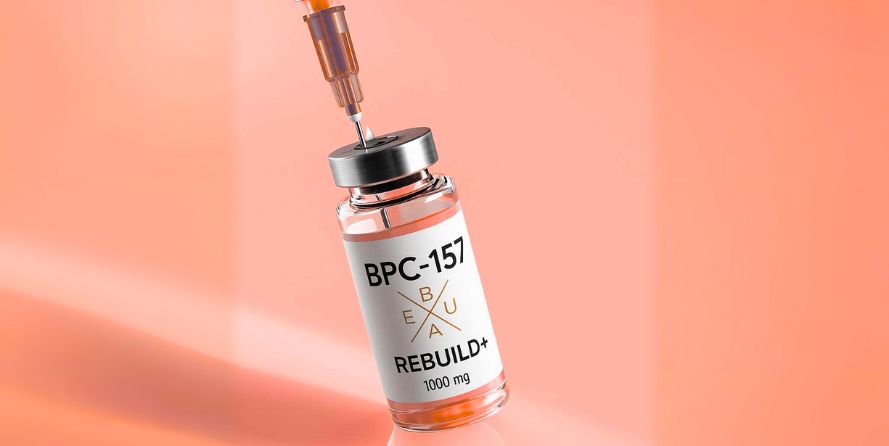
BPC-157, often referred to as BPC-7 in certain research contexts, is a synthetic peptide comprising 15 amino acids derived from a protective component of human gastric juice. This unique sequence confers remarkable stability, enabling BPC-157 to resist enzymatic degradation in the digestive tract—a property that sets it apart from many other peptides. Fundamentally, BPC-157 interacts with various molecular pathways involved in cell survival, proliferation, and migration. Among these pathways, the nitric oxide (NO) system and the vascular endothelial growth factor (VEGF) axis are particularly noteworthy. By modulating NO production, BPC-157 helps regulate blood flow and angiogenesis, while its influence on VEGF supports the formation of new blood vessels, integral to tissue repair and regeneration.
At the cellular level, BPC-157 exhibits strong cytoprotective effects. It enhances fibroblast activity, which accelerates the deposition of collagen and extracellular matrix components necessary for structural integrity. Additionally, BPC-157 promotes the expression of growth hormone receptors and upregulates signaling molecules such as FAK (focal adhesion kinase), which facilitate cell migration to injury sites. Preclinical studies in animal models have demonstrated that BPC-157 expedites healing of skin wounds, tendon ruptures, and even damaged ligaments, underscoring its broad therapeutic potential. While human trials remain limited, the consistent positive outcomes in laboratory settings lay a robust foundation for future clinical research, positioning BPC-157 as a promising tool in regenerative medicine.
Accelerating Wound Healing with BPC-7
BPC-157’s capacity to accelerate wound healing has been one of the most extensively studied aspects of this peptide. Through both topical application and systemic administration, BPC-157 has consistently demonstrated the ability to shorten the inflammatory phase of healing, promoting faster tissue regeneration. By modulating cytokine release and reducing excessive inflammation, it creates a balanced environment where cells can efficiently repair damaged tissue.
Animal studies have revealed that BPC-157 stimulates angiogenesis at the wound site, enhancing oxygen and nutrient delivery. This improved vascularization supports the proliferation of fibroblasts and keratinocytes, essential for re-epithelialization and collagen synthesis. As a result, wounds treated with BPC-157 often exhibit improved tensile strength and reduced scar formation, suggesting a more complete and functionally superior healing process.
Enhancing Muscle Repair and Recovery
Research indicates that BPC-157 may be particularly beneficial for athletes and individuals recovering from muscle injuries. By activating satellite cells—muscle stem cells responsible for repair—BPC-157 promotes the regeneration of muscle fibers damaged by strains, tears, or microtrauma from intense exercise. This effect is mediated by upregulation of growth factors such as IGF-1 (insulin-like growth factor 1), which supports protein synthesis and hypertrophy.
Moreover, BPC-157 has been shown to reduce muscle inflammation and oxidative stress, common contributors to delayed recovery and soreness. It enhances mitochondrial efficiency, improving cellular energy production and reducing the buildup of lactic acid. In practical terms, athletes supplemented with BPC-157 may experience shorter downtime after workouts, reduced muscle stiffness, and more consistent training progress. While human trials remain sparse, anecdotal reports and preliminary studies suggest that BPC-157 could become a staple in sports medicine protocols aimed at optimizing recovery and performance.
Strengthening Bones with BPC-7
BPC-157’s influence extends beyond soft tissues, showing promise in bone repair and strengthening. In preclinical models of bone fractures and osteoporosis, BPC-157 has been observed to accelerate callus formation and mineralization, key steps in the restoration of bone integrity. By stimulating osteoblast proliferation and activity, it enhances the deposition of hydroxyapatite and collagen matrix, critical components of bone tissue.
Additionally, BPC-157 modulates the RANK/RANKL/OPG pathway, which governs the balance between bone formation and resorption. By shifting this balance toward formation, it may aid in conditions characterized by excessive bone loss. While human research is still forthcoming, these initial findings support the potential use of BPC-157 as an adjunct therapy in fracture management and osteoporosis treatment, offering a novel approach to skeletal health and rehabilitation.
Exploring the Anti-Inflammatory Properties
One of the hallmarks of BPC-157’s therapeutic profile is its robust anti-inflammatory action. By downregulating pro-inflammatory cytokines such as TNF-α and IL-6, and upregulating anti-inflammatory mediators like IL-10, BPC-157 creates a balanced immune response conducive to healing. This immunomodulatory effect has been documented in various animal models of inflammatory diseases.
Chronic inflammation underlies a host of conditions ranging from arthritis to inflammatory bowel disease. Preliminary studies indicate that BPC-157 can reduce joint swelling and cartilage degradation in arthritis models while protecting gastric mucosa from the damaging effects of non-steroidal anti-inflammatory drugs (NSAIDs). Such findings position BPC-157 as a promising candidate for managing inflammatory disorders with fewer side effects than conventional treatments.
Potential Benefits for Digestive Health
Given its origin in gastric juice, BPC-157 has a natural affinity for the gastrointestinal (GI) tract. Studies have shown that BPC-157 promotes healing of gastric ulcers and protects the integrity of the mucosal lining. By enhancing blood flow and collagen deposition in the GI tract, it accelerates ulcer closure and reduces the risk of perforation.
Beyond ulcer healing, BPC-157 appears to strengthen the gut barrier by upregulating tight junction proteins such as occludin and claudin. This effect reduces intestinal permeability, often implicated in conditions like leaky gut syndrome, Crohn’s disease, and ulcerative colitis. Early research also suggests that BPC-157 may alleviate symptoms of irritable bowel syndrome (IBS) by normalizing gut motility and reducing inflammation, making it a promising adjunct in digestive wellness protocols.
Neuroprotective Effects of BPC-7
Emerging research highlights the neuroprotective potential of BPC-157. In rodent models of traumatic brain injury and neurodegenerative diseases, BPC-157 has been shown to reduce neuronal cell death, support nerve growth, and improve functional outcomes. Its mechanisms include modulation of neurotransmitter systems, such as dopamine and serotonin, and mitigation of oxidative stress within neural tissues.
Moreover, BPC-157 stimulates neurotrophic factors like BDNF (brain-derived neurotrophic factor), which promotes synaptic plasticity and cognitive resilience. These findings suggest that BPC-157 could play a role in managing conditions such as Parkinson’s disease, Alzheimer’s disease, and spinal cord injuries. While human studies are necessary to confirm these effects, the existing data points toward a versatile peptide with applications in neurology and psychiatry.
Promoting Blood Vessel Growth for Healing
Angiogenesis, the growth of new blood vessels, is a critical component of tissue repair. BPC-157’s ability to upregulate VEGF and enhance endothelial cell proliferation makes it a powerful angiogenic agent. This effect not only accelerates healing in wounds and tissues but also improves blood supply to ischemic areas, such as those found in peripheral artery disease.
By supporting robust capillary networks, BPC-157 ensures that regenerating tissues receive adequate oxygen and nutrients, essential for sustained recovery. This pro-angiogenic property also holds promise in organ repair and transplantation, where rapid revascularization is crucial for graft survival and function.
Harnessing the Performance-Boosting Potential
Beyond healing, BPC-157 has garnered interest as a performance-enhancing agent. Athletes are particularly keen on its ability to speed up recovery from training-induced microtrauma, reduce inflammation, and protect against overuse injuries. By accelerating tissue regeneration, BPC-157 can shorten rest periods between workouts, allowing for more frequent and intense training sessions.
Moreover, BPC-157’s neuromuscular benefits—enhancing nerve conduction and muscle coordination—could translate into improved strength, agility, and endurance. While ethical and regulatory considerations around peptide use in sports remain under discussion, the anecdotal reports and initial studies point to a future where BPC-157 plays a vital role in optimizing athletic performance and resilience.
Conclusion: The Future of BPC-in Health and Wellness
As research into BPC-157 continues to expand, its multifaceted benefits—ranging from accelerated wound and bone healing to anti-inflammatory and neuroprotective effects—position it as a revolutionary peptide in medical science. The growing body of preclinical evidence underscores its potential to transform treatment paradigms across diverse fields, from orthopedics to neurology and gastroenterology.
While more rigorous human trials are needed to fully establish safety profiles and optimal dosing strategies, the promise of BPC-157 is undeniable. Looking ahead, this peptide may unlock new avenues for regenerative medicine, sports recovery, and chronic disease management, heralding a new era of accelerated healing and enhanced human performance.