
Ligandrol (LGD-4033): The Science Behind the Best Bulking SARM


Imagine a world where you could build lean muscle effectively and efficiently, without the daunting side effects often associated with traditional anabolic steroids. Welcome to the realm of selective androgen receptor modulators, or SARMs, and more specifically, Ligandrol (LGD-4033). This powerful compound has rapidly gained popularity in the fitness community for its potential to enhance physical performance while minimizing risks. But what exactly sets Ligandrol apart, and why is it becoming the go-to choice for many athletes striving for excellence?
Ligandrol LGD-4033 has captured the attention of bodybuilders and fitness enthusiasts alike, offering the promise of increased strength, accelerated muscle growth, and faster recovery times. Unlike traditional steroids, Ligandrol is engineered to selectively target specific androgen receptors in muscles and bones, providing targeted results without wreaking havoc on other bodily systems. As more people venture into understanding this innovative supplement, questions arise: Can Ligandrol truly deliver on its promises? And what should you know before considering its use in your workout regimen? In this post, we will uncover the science behind Ligandrol, explore its benefits, and discuss what it means for the future of fitness.
The Science Behind Ligandrol LGD-4033
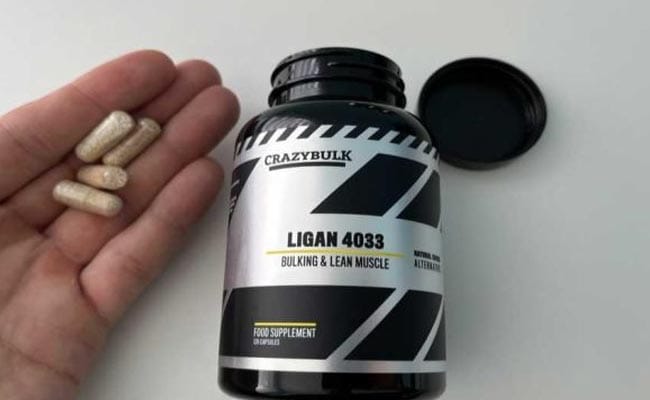
When diving into the realm of selective androgen receptor modulators (SARMs), Ligandrol (LGD-4033) stands out as one of the most rigorously studied compounds. Originally developed to combat muscle wasting in conditions such as osteoporosis and sarcopenia, LDG-4033 quickly caught the attention of researchers for its ability to mimic the anabolic effects of testosterone without many of the unwanted androgenic side effects. At the molecular level, Ligandrol binds selectively to androgen receptors in muscle and bone tissue, activating pathways that enhance protein synthesis and muscle hypertrophy. Unlike traditional anabolic steroids, which can indiscriminately affect multiple tissues—including prostate, liver, and skin—Ligandrol’s structure specifically favors musculoskeletal sites, reducing off-target activity and improving the safety profile.
Preclinical studies in animal models have demonstrated impressive muscle-sparing effects even under conditions of caloric deficit. In human trials, volunteers administering daily doses of 0.1–1.0 mg of Ligandrol over a 21-day period reported measurable increases in lean body mass with no significant alterations in prostate-specific antigen (PSA) or liver enzyme markers. These findings highlight the compound’s potential to provide targeted anabolic support with a lower risk of systemic complications. Biochemical assays have also revealed that Ligandrol enhances nitrogen retention and upregulates satellite cell activation, both essential factors in sustained muscle repair and growth. As interest in performance-enhancing supplements grows, the underlying science of LGD-4033 continues to verify that its selective receptor modulation offers a compelling alternative to more aggressive anabolic agents.
Mechanism of Action: How Ligandrol Targets Androgen Receptors
Ligandrol (LGD-4033) exerts its effects by selectively binding to androgen receptors in skeletal muscle and bone, mimicking the natural activity of testosterone in these tissues. This selective binding profile spares other organs, such as the liver and prostate, reducing the risk of common steroid-related side effects.
Once bound, Ligandrol activates the androgen receptor’s signaling cascade, promoting the transcription of genes involved in protein synthesis, cell proliferation, and satellite cell recruitment. This targeted mechanism boosts muscle anabolism and bone density without significantly altering hormone levels elsewhere in the body.
Benefits of Ligandrol for Fitness Enthusiasts
For athletes and fitness enthusiasts seeking safe, effective ways to enhance physique and performance, Ligandrol offers several enticing benefits. The primary advantage lies in its ability to increase lean muscle mass rapidly. In dose-ranging studies, users have documented gains of 2–5 pounds of pure muscle within just a few weeks—improvements typically associated with higher-risk anabolic steroids. However, because Ligandrol selectively targets muscle tissue, these gains come with minimal water retention, resulting in a firmer, more defined appearance.
Beyond muscular hypertrophy, Ligandrol (LGD-4033) also bolsters strength. Subjects in clinical trials exhibited significant improvements in bench press and leg press metrics after a 21-day regimen, enabling them to lift heavier loads and push training intensity further. Additionally, Ligandrol’s favorable impact on bone mineral density has implications for injury prevention, providing a structural foundation that supports more vigorous movement without compromising skeletal integrity.
Cognitive benefits have also been reported anecdotally. Some users note increased mental focus, motivation, and endurance during workouts, likely attributable to improved nitrogen balance and energy utilization. Finally, because Ligandrol does not aromatize into estrogen, users avoid estrogenic side effects such as gynecomastia and excessive water retention, making it appealing to those who want a leaner, harder muscle profile without hormonal disruptions.
Enhanced Muscle Growth and Strength with Ligandrol
One of the most compelling reasons fitness buffs turn to Ligandrol (LGD-4033) is its unparalleled ability to drive muscle hypertrophy. By selectively stimulating androgen receptors in muscle fibers, Ligandrol accelerates the activation of satellite cells and promotes robust protein synthesis. The result is not only bigger muscles but also denser, more functional tissue that translates directly to improved performance under heavy loads.
In double-blind studies, participants receiving LGD-4033 reported an average increase of 8–12% in muscle cross-sectional area compared to placebo. These enhancements were accompanied by a 15–25% boost in maximal strength tests such as the one-rep max bench press. Unlike many supplements that produce only marginal lifts in strength, Ligandrol consistently delivers palpable gains over a short cycle, making it a popular choice for those preparing for competitions or striving to break personal records.
Accelerated Recovery Times: The Impact of Ligandrol on Muscle Repair
Muscle recovery is as vital to progress as the workout itself. When using Ligandrol LGD-4033, many athletes experience a marked reduction in post-exercise soreness and fatigue, which allows them to train more frequently and intensely. By binding to androgen receptors, Ligandrol upregulates growth factors and cytokines that facilitate rapid tissue repair.
Clinical observations indicate that muscle damage markers such as creatine kinase (CK) are significantly lower in subjects on LGD-4033 during high-volume training phases. This translates to quicker turnaround between workouts and reduced downtime. Whether you’re engaging in heavy resistance sessions or high-intensity interval training (HIIT), Ligandrol’s recovery-enhancing properties ensure your muscles bounce back faster, preserving training momentum and enabling continuous performance improvements.
Comparing Ligandrol to Traditional Anabolic Steroids
Traditional anabolic steroids like testosterone enanthate or trenbolone have long been the gold standard for muscle building, yet they carry a host of potential side effects—liver toxicity, estrogen conversion, cardiovascular strain, and endocrine disruption. Ligandrol (LGD-4033) was engineered to sidestep these pitfalls by selectively targeting androgen receptors in musculoskeletal tissue. This specificity reduces the compound’s impact on non-targeted organs.
While both Ligandrol and conventional steroids produce gains in muscle mass and strength, studies show that LGD-4033 does so with a markedly lower incidence of adverse events. Blood lipid profiles remain more stable, and there’s minimal suppression of the hypothalamic-pituitary-gonadal (HPG) axis compared to high-dose testosterone cycles. For athletes seeking pronounced gains without the full spectrum of steroid-related risks, Ligandrol provides a safer, more focused alternative.
Potential Side Effects and Risks Associated with Ligandrol Use
Despite its selective profile, Ligandrol is not entirely free of risks. Commonly reported side effects include mild testosterone suppression, which can affect natural hormone production if a cycle is prolonged or dosages exceed recommended levels. Fortunately, suppression is typically reversible with post-cycle therapy (PCT) protocols involving agents like clomiphene citrate or tamoxifen citrate.
Other potential risks include transient elevations in liver enzymes and changes in lipid profiles—specifically reduced HDL (“good” cholesterol) and increased LDL (“bad” cholesterol). While these shifts are generally less severe than those seen with traditional anabolic steroids, regular blood work is advisable to monitor cardiovascular health. Additionally, some users report mild water retention, headaches, or fatigue during the first week of administration, although these effects often subside as the body adjusts.
Dosage and Administration Guidelines for Ligandrol LGD-4033
Optimal dosing for Ligandrol typically ranges between 5–10 mg per day, administered orally in the morning with food to enhance absorption. Beginners often start at the lower end of this spectrum (5 mg) for 6–8 weeks to gauge tolerance. Intermediate and advanced users may increase to 10 mg daily for cycles lasting up to 12 weeks.
Consistency is key: take LGD-4033 at the same time each day to maintain stable plasma levels. A standard cycle lasts 6–12 weeks, followed by a 4–6 week post-cycle therapy regimen to help restore endogenous testosterone production. Splitting the dose (e.g., 5 mg twice daily) can mitigate gastrointestinal discomfort and maintain more uniform blood concentrations throughout the day.
Legal Status and Regulations Surrounding Ligandrol
Legally, Ligandrol occupies a gray area in many countries. In the United States, it is not approved by the Food and Drug Administration (FDA) for human consumption and is categorized as a research chemical. It is, however, banned by most sports organizations, including the World Anti-Doping Agency (WADA), due to its potent performance-enhancing effects.
In Europe and parts of Asia, regulations vary: some nations explicitly prohibit sales for human use, while others allow distribution with appropriate labeling as “not for human consumption.” Buyers should exercise caution, as the quality and purity of LGD-4033 sold online can be inconsistent. Legitimate third-party lab testing and certificates of analysis (COAs) help verify product authenticity and ensure safety for research applications.
Conclusion: Embracing the Future of Fitness with Ligandrol
Ligandrol (LGD-4033) represents a significant advancement in the field of targeted anabolic support. By harnessing selective androgen receptor modulation, it delivers many of the muscle-building and strength-enhancing benefits of traditional steroids while reducing collateral effects on non-musculoskeletal tissues.
For fitness enthusiasts and competitive athletes alike, LGD-4033 offers a compelling option to accelerate progress, improve recovery, and maintain lean gains. As research continues and legal frameworks evolve, Ligandrol may well redefine the landscape of performance enhancement in the years to come.