Debunking YK11: Is it Truly a SARM or Myostatin Inhibitor


In the world of fitness supplements, few compounds spark as much debate and intrigue as YK-11. Billed by some as the next big thing in muscle growth, YK-11 straddles the line between being a selective androgen receptor modulator (SARM) and a myostatin inhibitor. This distinction is crucial because it affects not only how the compound works but also the biological impact it may have on your body. If you’re navigating the maze of supplements and striving to optimize your workout results, understanding the true nature of YK-11 is essential.
Imagine investing time and effort into a fitness regimen while seeking that elusive edge to maximize gains. Learning whether YK-11 is a SARM or a Myostatin Inhibitor could be the key to unlocking potential you never knew existed. However, misinformation and unclear categorizations often muddy the waters. As we dive deeper into the science and myths surrounding this compound, we aim to provide clarity and insights that could transform how you approach your fitness journey.
The Basics of YK-
YK-11 is a synthetic steroidal compound originally developed in Japan to assess its potential benefits on bone health. Unlike conventional anabolic steroids, YK-11 has a unique chemical structure that enables it to bind selectively to androgen receptors while exhibiting other mechanisms that aren’t typical of SARMs. At its core, the molecule was designed to explore how it might inhibit myostatin—an inhibitory protein that limits muscle growth—while also engaging androgen pathways that stimulate protein synthesis and muscle hypertrophy.
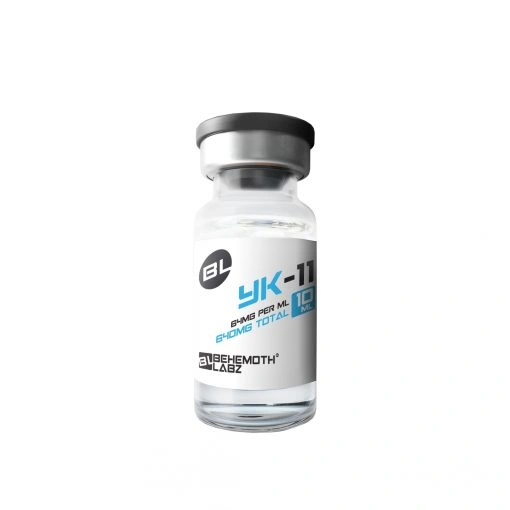
Despite its early roots in research labs, YK-11 rapidly gained traction among bodybuilders and fitness enthusiasts seeking a potent edge. Many tout it as “the ultimate SARM,” though its categorization remains a subject of debate. A key question often asked in fitness forums and online communities is YK-11: Is it a SARM or a Myostatin Inhibitor? As you’ll discover, the answer isn’t entirely black or white. While it does interact with the androgen receptor similarly to other SARMs, it also appears to suppress myostatin expression, making it a hybrid of sorts. In subsequent sections, we’ll unpack its precise mechanisms, weigh its benefits and risks, and highlight real-world experiences to help you decide whether YK-11 belongs in your supplement arsenal.
Mechanism of Action
At a molecular level, YK-11 exhibits a dual mechanism of action that sets it apart from traditional SARMs and pure myostatin inhibitors. First, it binds selectively to androgen receptors in muscle and bone tissue with high affinity. This receptor activation triggers gene transcription processes that upregulate anabolic pathways, leading to increased protein synthesis and muscle fiber growth. Unlike some other SARMs, YK-11’s steroidal backbone may allow for a stronger or more sustained receptor occupation.
Second, YK-11 appears to downregulate myostatin, a protein that naturally limits muscle growth. Myostatin functions as a biological “brake,” ensuring muscles don’t grow uncontrollably. By inhibiting this brake, YK-11 may allow for greater muscle hypertrophy when combined with resistance training. However, the exact biochemical pathways for myostatin suppression are still under investigation, and much of the existing data comes from in vitro studies or animal models rather than robust human trials.
SARMs vs. Myostatin Inhibitors
Selective androgen receptor modulators (SARMs) and myostatin inhibitors represent two distinct approaches to enhancing muscle growth. SARMs work by binding to androgen receptors in targeted tissues, thereby increasing protein synthesis, nitrogen retention, and overall anabolic activity. They tend to produce fewer side effects than traditional anabolic steroids because of their tissue selectivity, reducing unwanted androgenic activity in the liver, prostate, or skin.
Myostatin inhibitors, by contrast, directly target the myostatin protein—a natural regulator that prevents excessive muscle development. By neutralizing or reducing myostatin levels, these compounds lift the biological restraints on muscle growth, potentially leading to rapid hypertrophy. Unlike SARMs, myostatin inhibitors do not directly engage androgen receptors and therefore bypass the androgenic pathway altogether.
While SARMs can offer consistent gains through androgen receptor activation, myostatin inhibitors promise exponential increases by disabling the body’s internal growth limiter. However, each class has trade-offs: SARMs may still carry androgenic risks, while long-term myostatin suppression could disrupt metabolic balance and tissue homeostasis. YK-11 intriguing lies at the intersection of these two modalities, blending receptor activation with myostatin downregulation.
Efficacy in Muscle Growth
When assessing YK-11’s efficacy, anecdotal reports from athletes and bodybuilders often highlight dramatic gains within short cycles—sometimes 10 to 15 pounds of lean mass in 4 to 6 weeks. These gains are typically attributed to YK-11’s combined anabolic and anti-myostatin effects. Users report pronounced strength improvements, denser muscle fibers, and accelerated recovery times compared to cycles of more conventional SARMs like Ostarine or Ligandrol.
However, it’s crucial to approach these claims with healthy skepticism. Most of the human data on YK-11 remains anecdotal or derived from self-reported transformations, which can be influenced by training intensity, nutrition, and placebo effects. Controlled clinical trials are scarce, and the few animal studies that exist show promising but not definitive results. Muscle cell cultures treated with YK-11 demonstrate significant myostatin suppression and increased follistatin production—a protein that further antagonizes myostatin—yet translating these in vitro findings to human physiology involves many unknown factors.
Comparatively, when stacked with other SARMs or anabolic agents, some users claim that YK-11 can break through plateaus and facilitate “hard as rock” muscle quality. But without standardized dosing guidelines, purity verification, and long-term safety studies, placing total confidence in YK-11’s efficacy remains premature. It may deliver notable short-term benefits, but understanding its mechanism and verifying product legitimacy should be a priority before any cycle.
Potential Side Effects
While YK-11’s unique profile can offer alluring muscle gains, it also carries a spectrum of potential side effects that users should consider carefully. In reported cases, the most common adverse reactions include joint pain, elevated liver enzymes, and hormonal imbalances. Some users experience lethargy or mood swings during or immediately after a cycle, suggesting an impact on endogenous testosterone production and liver stress.
Hepatotoxicity is a significant concern. Because YK-11 has a steroidal backbone, it appears to exert mild to moderate strain on the liver, similar to anabolic steroids. Blood panels often reveal raised liver enzyme levels after even short cycles, indicating that hepatic function may be compromised. Those with pre-existing liver conditions or those using other hepatotoxic compounds concurrently should exercise extreme caution.
Additionally, hormonal suppression is frequently reported. Although YK-11 doesn’t carry the same risk profile as traditional steroids, its androgen receptor modulation can still disrupt the hypothalamic-pituitary-gonadal axis. Post-cycle therapy (PCT) is recommended by many experts to help restore natural testosterone levels and mitigate withdrawal symptoms. Without proper PCT, users may encounter low libido, fatigue, and testicular atrophy.
Legal Status and Availability
YK-11 occupies a legal gray area in many countries. In the United States, it’s not approved by the FDA for human consumption, classification under the Controlled Substances Act remains ambiguous, and it’s often marketed as a “research chemical.” This means gyms, retailers, and supplement stores may sell it openly online, but any claims regarding safety or efficacy carry little regulatory oversight. Consumers bear the responsibility of verifying product quality and understanding the legal risks.
In Europe, regulations vary by country. Some nations have explicitly prohibited YK-11 under performance-enhancing drug statutes, while others simply classify it as an unlicensed veterinary product. Athletes subject to anti-doping rules should note that WADA (World Anti-Doping Agency) includes SARMs on its prohibited list, meaning any YK-11 use could lead to disqualification or sanctions, even if the substance is marketed as a myostatin inhibitor.
Where legal, most suppliers operate through gray-market channels, shipping from overseas labs without pharmaceutical-grade manufacturing standards. Purity and dosage accuracy can vary dramatically between batches, increasing the risk of contamination with other actives or underdosing. Prospective users must source from reputable vendors that provide third-party lab results, ideally testing for purity, heavy metals, and microbial contaminants.
User Experiences and Reviews
Online forums and social media platforms are awash with YK-11 testimonials—some gushing about spectacular gains, others warning of nasty side effects. A common positive thread involves users experiencing rapid fullness in muscle bellies and significant strength jumps within two weeks. Many report feeling an immediate “pump” sensation during workouts, accompanied by improved vascularity and muscle hardness.
On the flip side, negative reviews often revolve around liver discomfort, inconsistent results, and unnerving hormonal crashes post-cycle. Several users describe undergoing “crash and burn” cycles—initial surge in gains followed by sudden plateau and fatigue. Others note difficulties in sourcing genuine YK-11, recounting experiences of receiving disappointing powders that turned out to be low–purity or mislabeled research chemicals.
Turnover in gyms and among peers can be high as well. Some fitness influencers attest to using YK-11 briefly to overcome stubborn plateaus, then cycling off to preserve long-term health. In contrast, a subset of bodybuilders avoids it entirely, preferring established SARMs like RAD-140 or LGD-4033 due to better-studied safety profiles. Ultimately, the diversity of experiences underscores the need for individual research, thorough lab testing, and careful cycle planning.
Debunking Myths about YK-
Myth 1: YK-11 is a pure myostatin inhibitor. In reality, while YK-11 exhibits some myostatin-suppressing activity, its primary action occurs through androgen receptor binding. Calling it purely a myostatin inhibitor overlooks its steroidal receptor engagement and potential androgenic side effects.
Myth 2: YK-11 is safer than all other SARMs. Although it may offer targeted muscle benefits, YK-11’s hepatotoxic potential and impact on hormonal balance can rival or exceed that of other SARMs. Without robust human trials, claims of superior safety remain unsubstantiated.
Myth 3: Gains from YK-11 are permanent. Muscle hypertrophy achieved during YK-11 cycles still requires consistent training and nutrition to maintain. Discontinuation often sees partial loss of water retention and muscle fullness, similar to what occurs post-steroid cycles.
Safety Concerns and Precautions
Before considering a YK-11 cycle, consult a qualified healthcare professional for baseline blood work, including liver enzyme panels and hormone profiles. Monitoring these markers during and after your cycle helps detect early signs of adverse reactions and informs decisions about post-cycle therapy.
Dosage recommendations vary widely, but beginner protocols often start at 2.5 mg per day for 4 weeks, gradually increasing to no more than 10 mg daily. Extending cycles beyond 8 weeks significantly raises the risk of liver strain and hormonal suppression. Breaks between cycles should last at least as long as the cycle itself—ideally 8 weeks off for every 6-week cycle.
Hydration, liver support supplements (e.g., milk thistle, N-acetylcysteine), and comprehensive PCT regimens (e.g., clomiphene citrate, tamoxifen) are essential to mitigate risks. Avoid stacking YK-11 with other hepatotoxic compounds, and prioritize source verification through third-party testing to ensure purity and accurate dosing.
Conclusion: The Verdict on YK-
YK-11 occupies a unique place in the supplement landscape as a hybrid compound with both SARM-like and myostatin-inhibiting properties. While preliminary data and user reports suggest promising muscle-building potential, the scarcity of human trials and clear safety profiles warrants caution. Rapid gains may come at the cost of liver strain and hormonal disruption, making rigorous monitoring and post-cycle therapy non-negotiable.
If you’re contemplating YK-11 for your fitness journey, weigh the potential rewards against the known and unknown risks. Ensure you source high-quality, lab-tested products, follow conservative dosing protocols, and consult healthcare professionals throughout your cycle. Ultimately, understanding YK-11’s true nature—and respecting its potency—will help you make informed choices that support long-term performance and well-being.